Manure matters, so dig a little deeper!

Manure, from horses or farm livestock, is a wonderful soil conditioner and natural fertiliser, and we do not want gardeners and allotment holders to be afraid of using it. This is why we have created the ManureMatters website.

It has long been known that it is possible for low levels of herbicide to be found in manure and that the use of such manure as a fertiliser or compost may, in some circumstances, cause damage to sensitive crops. Where this potential exists, Dow AgroSciences' products carry warnings and advice. When using any herbicide product, the label advice and safety instructions should always be followed.

Recently, we have heard from gardeners and allotment holders who have been concerned about possible herbicide residues in the manure and composts they apply to their soil.

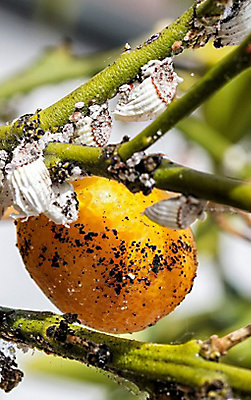
There have been some reported instances involving possible damage to sensitive crops such as potatoes and beans.  The manure possibly came from farm animals or horses fed on pasture or conserved forage from grassland previously treated with aminopyralid - an active ingredient found in the products Forefront*, Pharaoh* and Banish*.  This manure has unfortunately been supplied to a number of gardeners and allotment holders and appears to have resulted in damage to some sensitive crops.

For further guidance and advice, please select the most appropriate link on the left to find out how this issue may affect you and answers to some of the additional questions you may have.

What is aminopyralid?

  • Aminopyralid was granted approval for use as a herbicide/weed killer to control broad-leaved weeds on grassland in 2006.  Approval was granted following an evaluation of extensive data by the Pesticides Safety Directorate (PSD), the regulatory body responsible for the safe use of pesticides for people and the environment in the UK.
  • In July 2008, we asked PSD for our approvals for the product to be modified.  PSD have amended the product approval to suspend approval for sale, supply and use while we look into the issues.  Storage remains unaffected and it is still legal and safe for these products to be kept in approved stores. 

What is Dow AgroSciences doing?

At Dow AgroSciences we have:

  • Voluntarily suspended sales of aminopyralid products until we and the Pesticides Safety Directorate (PSD) are satisfied that all is being done to minimise the risk of this sort of incident happening (see below).
  • Collaborated with a number of organisations to improve the stewardship of aminopyralid herbicides.  We have put an information campaign in place to ensure that everyone involved is aware of the potential issues associated with manure coming from animals fed on forage that has been treated with aminopyralid-containing herbicides.

Is aminopyralid dangerous?

No. The PSD has now assessed additional information and confirmed that using manure, which may contain residues of aminopyralid, does not have implications for human health:
http://www.pesticides.gov.uk/garden.asp?id=2480.  
PSD has also concluded that, even based on reasonable worst case assumptions, vegetables grown in this way should be safe to eat. 

Weed killers or killer weeds?

Aminopyralid-based herbicides were developed to help grassland farmers control and eliminate a number of troublesome and potentially dangerous perennial broad-leaved weeds from their fields.

Although some people are worried about the use of herbicides, the weeds they eliminate are also a concern.  Further information about the need for effective weed control is available from the Department for Environment, Food, and Rural Affairs (DEFRA).  The Weeds Act of 1959 for example, places strict controls on  five 'injurious weeds' that threaten grassland health:

  • Common Ragwort
  • Spear Thistle
  • Creeping or Field Thistle
  • Broad-leaved Dock
  • Curled Dock

What is the chance that I have bought or supplied manure affected by aminopyralid?

Some instances of garden or allotment crop damage have been reported to Dow AgroSciences.

34 million tonnes of farmyard manure are produced annually from housed animals. Only 1.8% of this will leave the farm and be used by others - mainly other farmers.

93% of the farmyard manure generated from farms will have come from grassland that would not have received any herbicide sprays.

The majority of herbicide sprays (60%) are applied to grazing ground and not grassland that will be used to produce silage or other forage.

Farmers are directed through the product label, via advice given to them from agronomists (professional advisers used by farmers to help them with growing grass and other crops) and via direct communication from Dow AgroSciences about the implications with respect to manure and the use of aminopyralid-containing sprays.  Consequently many farmers will be aware of this and limit movement off-farm of farmyard manure that may contain aminopyralid residues.

Based on the communication effort and the small amount of manure that leaves farms, the quantity that may then end up on allotments/gardens is very small and certainly less than 1% of the total.

As a proportion of all farmyard manure produced, the amount that leaves a farm of origin and may contain aminopyralid residues is likely to be less than 0.02%.


*Trademark of Dow AgroSciences LLC


AMINOPYRALID
FAST FACTS


The following are general facts about aminopyralid-based herbicides, such as Forefront, Pharaoh, and Banish. For more detailed information about your particular area of interest, click on the most relevant link on the left.

Aminopyralid is safe for humans and animals.

  • Vegetables grown with affected manure are safe to eat.
  • Animals fed grass/forage that may contain aminopyralid residues are completely unaffected from its use. 
  • Milk and meat subsequently produced from animals are safe to eat.

Only a few species of plants are sensitive to aminopyralid residues.

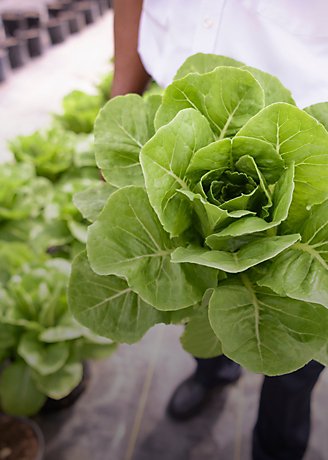
  • Sensitive crops include peas, beans, potatoes, sugar beet, carrots, tomatoes, lettuce and spinach.
  • Affected manure is safe for use on lawns and grassed areas.
  • Affected manure is safe for cereal crops and maize.

Aminopyralid breaks down in the soil.

  • Residues in manure break down if rotovated into the soil and turned frequently.  But do not use where sensitive crops are to be grown. (See list above.)

Contact us

If you believe your manure has been affected or you have further questions, email us at manurematters@stewardship.co.uk